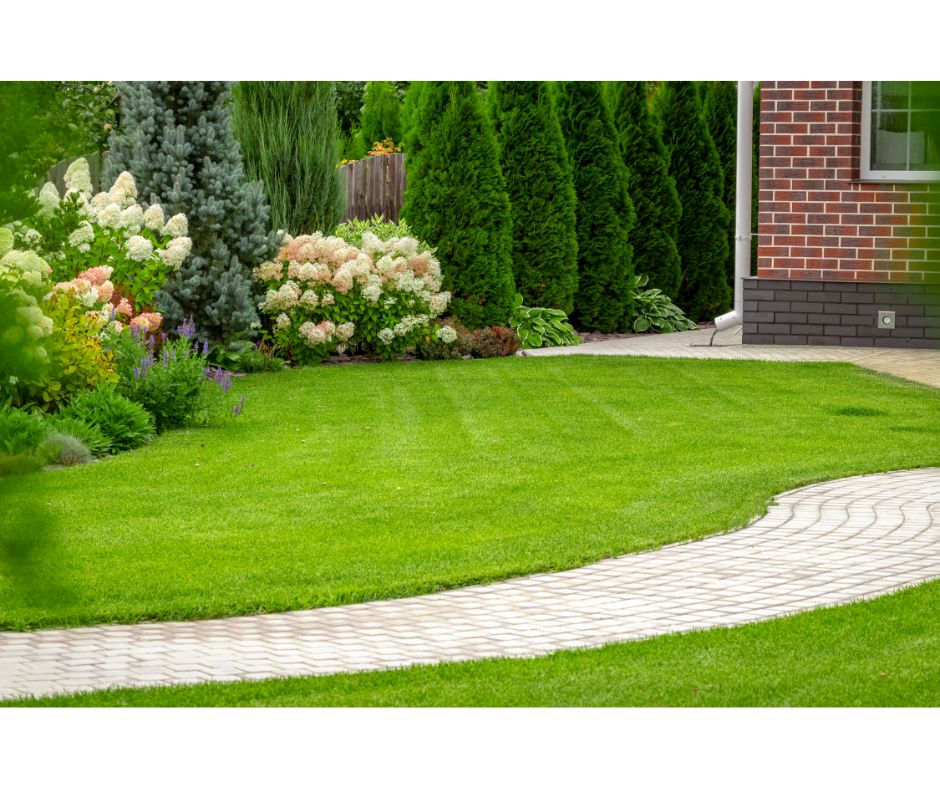
Moss, algae and weeds change the appearance of paving and can make it slippery when wet. Cleaning should take account of the stone material, joints and drainage.
Why does the surface turn green?
Moss and algae spread more readily in damp, shaded areas. Soil and plant debris in the joints encourage weeds. Regular removal of leaves and debris, together with effective drainage, helps reduce the problem.
How should pressure washing be done?
Use pressure suitable for the surface and the manufacturer’s recommended nozzle distance. A powerful jet held too close can damage paving and remove joint material. Start on a small test area and follow the paving manufacturer’s cleaning instructions.
Why refill the joints?
If washing removes joint material, replace it with a suitable product. The surface must be sufficiently dry when using dry jointing sand. Filled joints help keep paving stable, but do not guarantee that weeds will never return.
How can new growth be limited?
Remove leaves and debris regularly and improve drainage where needed. Hot-water washing may damage weeds, but does not guarantee destruction of every root. Mosses do not have true roots. Any treatment product must be suitable for the intended use and applied according to its instructions.
When should you order cleaning?
Choose frost-free weather and allow the surface to dry before refilling joints where required. Maintenance frequency depends on shade, moisture and usage. Niidumeister offers paver cleaning, joint resanding and re-levelling by agreement. Ask for a quote for your property.
Related services

Paver cleaning
We clear debris, pressure wash the pavers, use hot water for roots if needed, repair sunken or raised areas, and refill the joints with sand.

Deck washing & oiling
We assess the deck condition, wash the surface with wood-safe pressure, let it dry, and oil it with a suitable product to protect the timber.